![KIN DENTAL CENTRE [CLEMENTI / WEST COAST]](https://kindentalcentre.com/wp-content/uploads/2021/10/colored-version-logo-horizontal_1-e1636957686352.png)
When should my child first visit the dentist?
Visit to the dentist by age 1-2 is very possible .
Starting early allows your child to become familiar with the dental environment in a calm, positive way before any treatment is needed.
It also allows us to check that the teeth and gums are developing normally and to give you personalised guidance on caring for your child’s teeth at home. At Kin Dental Centre , we emphasis a lot on prevention and oral care for paediatric patients .
First visits can be daunting to many young children. For first visits , we aim to provide a calm sooth environment, allowing for preventive checks , getting child to be accustomed to the dentist and establishing good preventive care with parents/guardians.

Why do baby teeth matter?
Baby teeth are important for several reasons:
Space holders — Baby teeth hold the space in the jaw for the adult teeth developing beneath them. If a baby tooth is lost too early due to decay, neighbouring teeth can drift into the gap, leaving insufficient space for the adult tooth to erupt correctly.
Chewing and nutrition — Healthy teeth allow children to chew a varied diet properly.
Speech development — Teeth play a key role in forming many sounds. Early tooth loss can affect speech.
Comfort and confidence — Tooth decay in children causes pain. Healthy teeth allow children to eat, speak, and smile comfortably.
What does a paediatric dental check-up involve?
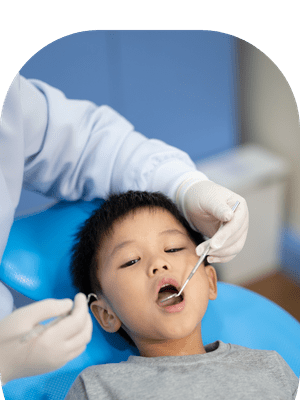
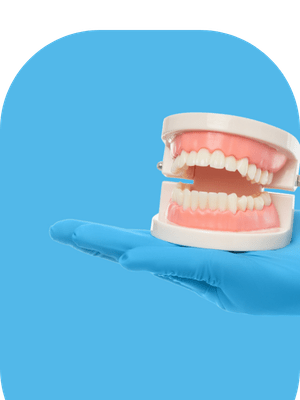
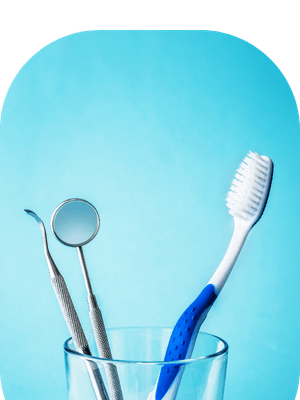
(1) Examination/ First visit
We examine your child’s teeth, gums, and bite gently and at their own pace. We check that the teeth are erupting in the correct sequence and look for any early signs of decay. The visit is designed to be calm and positive
(2) Preventive Treatments
We may apply a fluoride varnish to strengthen the enamel and reduce the risk of decay. If the permanent back teeth have erupted, we may recommend fissure sealants — a thin protective coating over the deep grooves of the molars where decay most commonly starts. Both are quick and painless.
(3) Advice & Planning
We discuss diet, brushing technique, and any habits such as thumb-sucking. We give you a clear picture of your child’s dental development and recommend a recall interval — usually every six months — tailored to their specific needs.
How can I prevent tooth decay in my child?
- Brush teeth twice a day with an age-appropriate amount of fluoride toothpaste — a smear under 3s, a pea-size from age 3 onwards.
- Limit sugary snacks and drinks. Juice, soft drinks, and sweetened milk should not be given frequently or in a bedtime bottle — the sugar sits on the teeth overnight and causes rapid decay.
- Start flossing as soon as two teeth touch side by side, usually from around age 2 to 3 for the back baby teeth.
- Bring your child for regular dental check-ups every six months — problems caught early are much simpler and less stressful to treat.
- Ask about fissure sealants and fluoride varnish when the permanent molars erupt — preventive treatments are the most cost-effective way to protect your child’s teeth.
What are fissure sealants & What is fluoride varnish?
Fissure sealants are a thin plastic coating applied to the chewing surfaces of the back teeth (molars). These surfaces have deep grooves where food and bacteria get trapped easily — even in children who brush well. Sealants fill these grooves, creating a smoother surface that is much easier to clean. The procedure is quick, painless, and requires no drilling. They are typically recommended once the permanent molars erupt — around age 6 to 7 for the first molars, and age 11 to 13 for the second molars.
Fluoride varnish is a small amount of fluoride painted onto the teeth at a check-up visit. It strengthens enamel and helps teeth resist decay. It is safe, quick, and commonly used as a preventive measure in children from a young age.


Opening hours
Mon – Thurs : 9am to 9pm
Fri , Sat & Sun : 9am to 5pm
Closed on Public Holidays
Privacy Policy
Location
West Coast / Clementi Branch
505 West Coast Drive
#01-214 S120505
* Please Google Map to “Kin Dental Centre” – as the above location may have tracking error on the app
Contact Us
Call us @ 69797978 / 80221068

© Copyright 2024 . Kin Dental Pte Ltd All Rights Reserved

